
Home / Our Stories /
Why early contractor involvement is the key to better construction project outcomes
18 August 2026
We’re asking construction to collaborate. Are we setting projects up to make that possible?
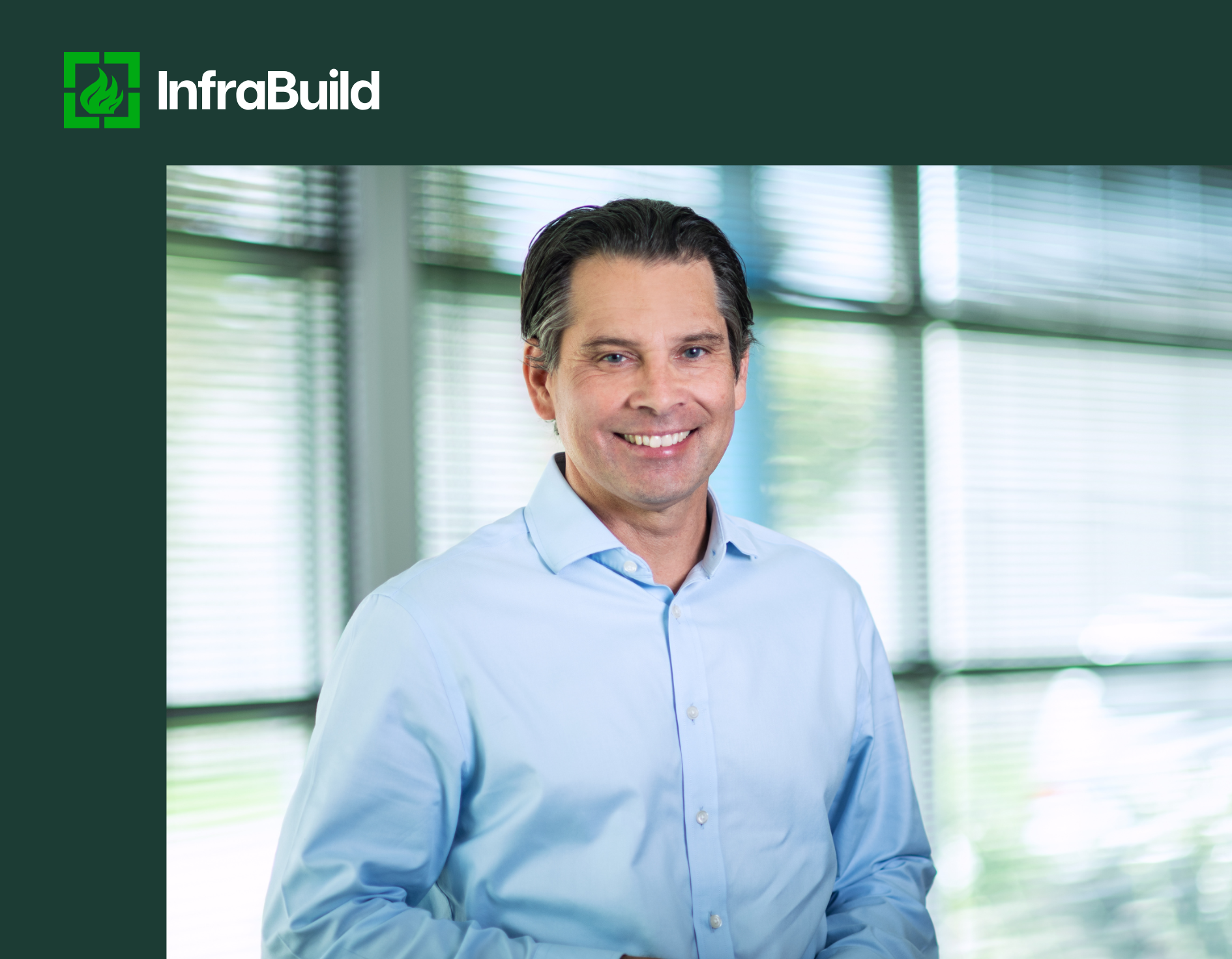
By Sean Mannering, Executive General Manager, Distribution & Processing, InfraBuild
The construction industry talks a lot about collaboration.
Every conference, every industry report and every major project review seems to reach the same conclusion: we need better collaboration, better information sharing and stronger relationships across the supply chain.
The question I keep coming back to is whether we’re actually creating the conditions that allow that to happen.
In my experience, most people in construction want the same thing. They want quality projects delivered safely, efficiently, profitably, on time and on budget. They want fewer surprises and they want certainty.
Yet many projects are still structured in a way that separates decision-makers from the people who have practical insights that could improve project outcomes.
By the time specialist suppliers are engaged, major decisions have often already been made. Specifications are finalised, designs are largely fixed and procurement pathways are established.
At that point, we’re no longer discussing what’s possible. We’re discussing how to deliver what’s already been decided and that’s a missed opportunity.
Recently, InfraBuild has been involved in a number of major projects during the early contractor involvement phase. What stood out wasn’t the size of the projects. It was the willingness to bring the supply chain into the conversation earlier than normal which changed the nature of the discussion.
Instead of simply pricing reinforcing steel, we can help explore alternatives. Could prefabrication reduce labour requirements on site? Is there an opportunity to use higher-strength steel and reduce material volumes? Are there logistics or sequencing decisions that could make delivery more efficient? Could embodied carbon outcomes be improved through different specification choices?
None of those conversations are particularly useful once the design has been locked in. They’re most valuable when projects are still taking shape.
What strikes me is that construction often treats suppliers as vendors when, in reality, many have deep technical and operational knowledge that can contribute to better project outcomes.
A reinforcing steel supplier sees hundreds of projects across multiple sectors. We see what works. We see where problems emerge. We see recurring inefficiencies. That perspective can add value, but only if there’s a mechanism for it to be heard.
The same is true for many parts of the supply chain. For years we’ve focused heavily on transferring risk through contracts. That’s understandable. Large projects carry significant risk and everyone wants certainty. But too often the industry ends up spending its energy allocating risk rather than reducing it and they’re not the same thing.
Reducing risk usually starts with getting the right people around the table early enough to identify issues before they become expensive problems which requires a different mindset around procurement.
The projects that I’ve seen achieve the best outcomes aren’t necessarily the ones with the most complex contracting arrangements. They’re the ones where information moves freely, expertise is valued regardless of where it sits, and commercial structures encourage people to solve problems together rather than simply defend positions.
We’re starting to see encouraging signs across the industry. More contractors are inviting us into discussions earlier. More are taking the time to visit our operations, understand our capabilities and explore opportunities before tenders are submitted. We’re doing the same by investing more heavily in engineering support and early-stage advisory services.
That’s good for suppliers. And more importantly, it’s good for projects.
Australia has an enormous infrastructure and construction pipeline ahead of it. Delivering that work successfully won’t come from asking people to collaborate harder. It will come from creating project environments where collaboration is commercially worthwhile and practically possible.
It’s clear when expertise is brought in early, everyone makes better decisions. And better decisions made early are usually the cheapest productivity gains a project will ever find.
Please contact us for any feedback or media enquiries about this content.
Subscribe to the
InfraBuild newsletter
Receive regular updates on news, case studies as well as the latest products and services.